Skip to content

One-to-one training for young athletes

A child who trains at a club is also still growing. So before we make a plan, we measure where they are in their growth, which side is lagging behind and how much load they can handle right now.

Every session is one-to-one, at the centre in New Belgrade, and scheduled around club training.

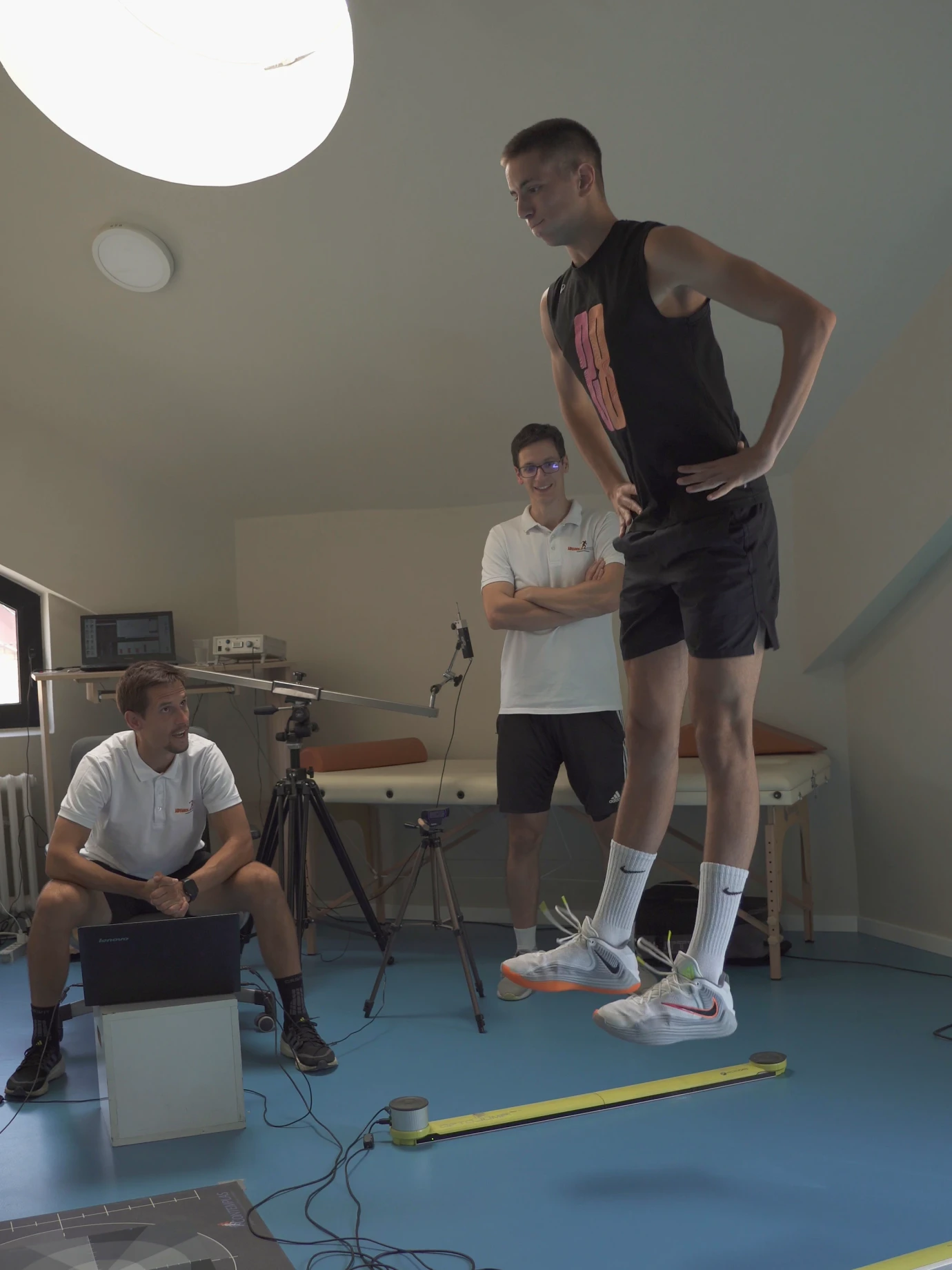
A young athlete stands between the Optojump bars in the testing room. One coach sits at a laptop following the measurement, and a second coach stands next to the athlete.

What we measure in a growing child

We measure body composition, posture and the curves of the spine, how the feet bear weight, the response of individual muscles and the jump. In a child these values change within a single season, so a plan that was right in September may no longer be right in February.

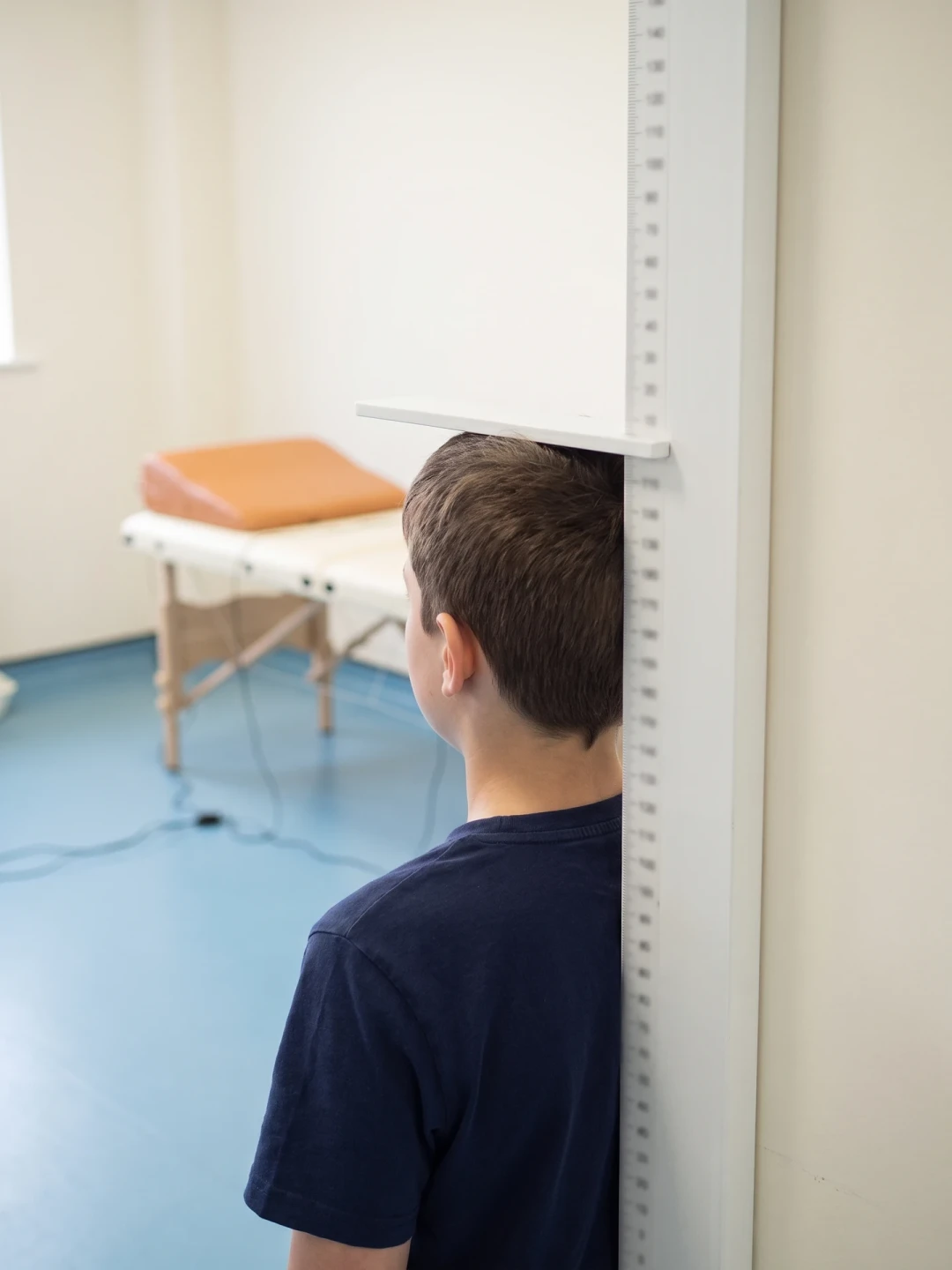
Measuring a child’s height. The flat white headpiece of a stadiometer rests on the top of the head of a boy standing against the wall, with the measuring rod running up beside his head.

Bone grows ahead of muscle

Stage of growth

During a growth spurt the bone lengthens before the muscle and tendon have caught up with it. That is why a child can cope with the same training very differently in March and in October.

Measuring height, body composition and muscle response shows which stage of growth the child is in. The training load is then set by those results, since age on its own says little about it.
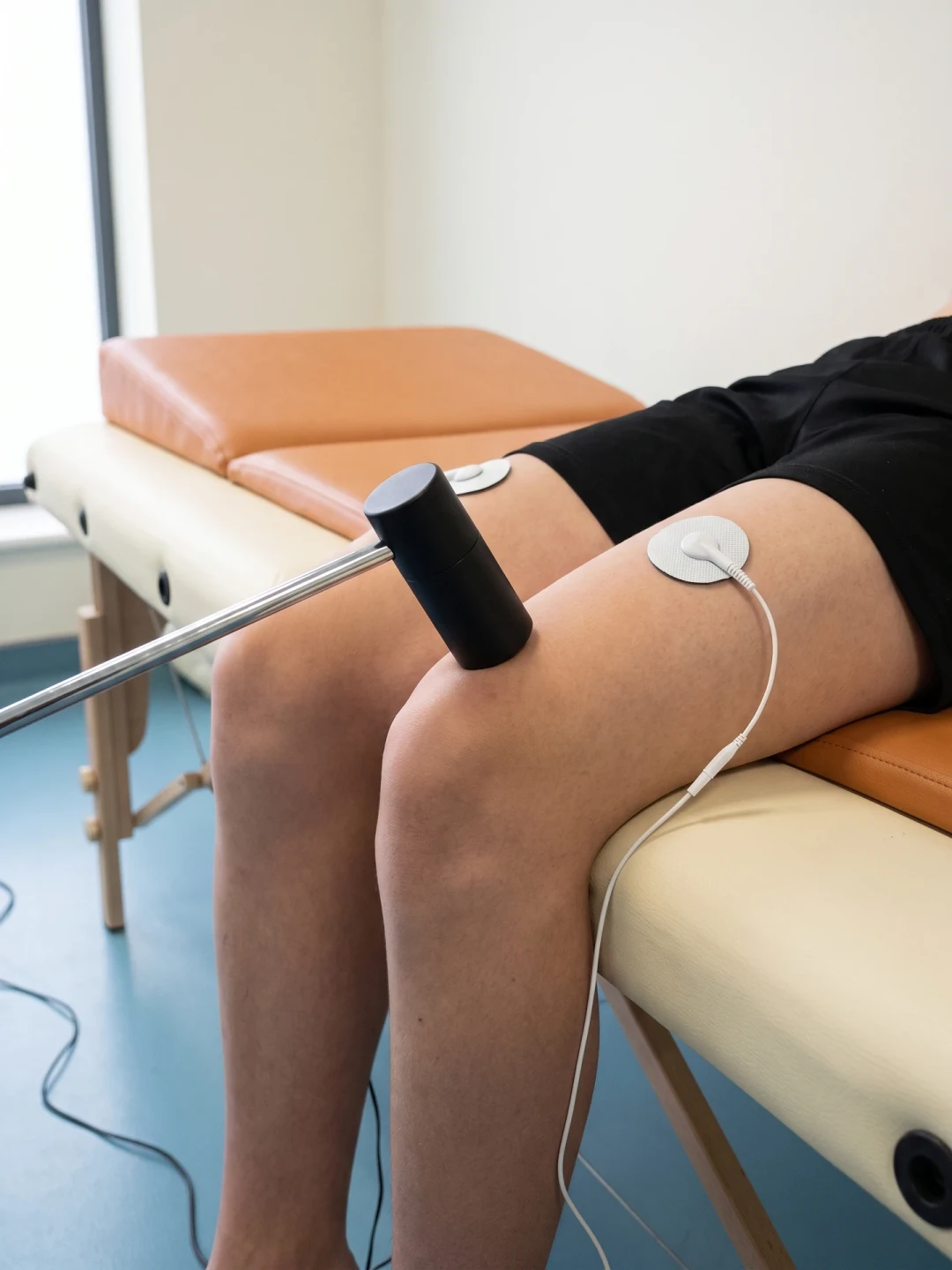
Both thighs of a young athlete lying on the measuring table, with round electrodes on the skin and a sensor resting on the muscle at the front of the thigh.

One side does more of the work

Difference between left and right

A child who always kicks, throws or jumps off the same side gradually builds up a difference between left and right, and it is not something the eye can see.

TMG shows which muscle is lagging behind its pair on the other side, and Optojump shows how much the take-off differs between the left and right leg. Training then works on that difference directly.

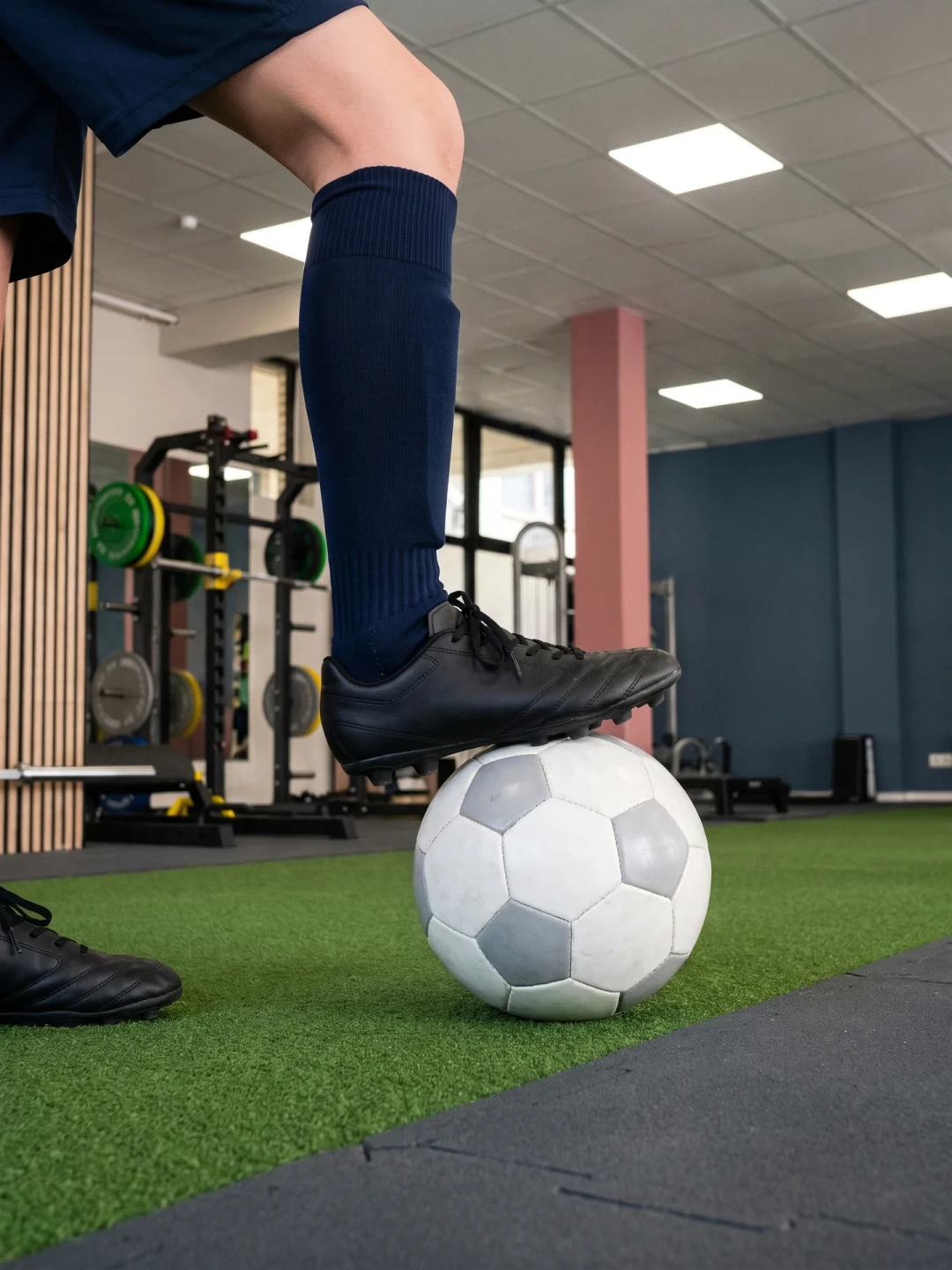
A child’s feet in football boots and long football socks on a strip of artificial turf, with a football under the sole of one boot.

Club training and ours add up

Total weekly load

A child who already trains three to five times a week at the club does not need another session of the same kind on top of it.

Because we know what the measurements showed, our session fills the gaps that club training leaves, without piling more fatigue on top.

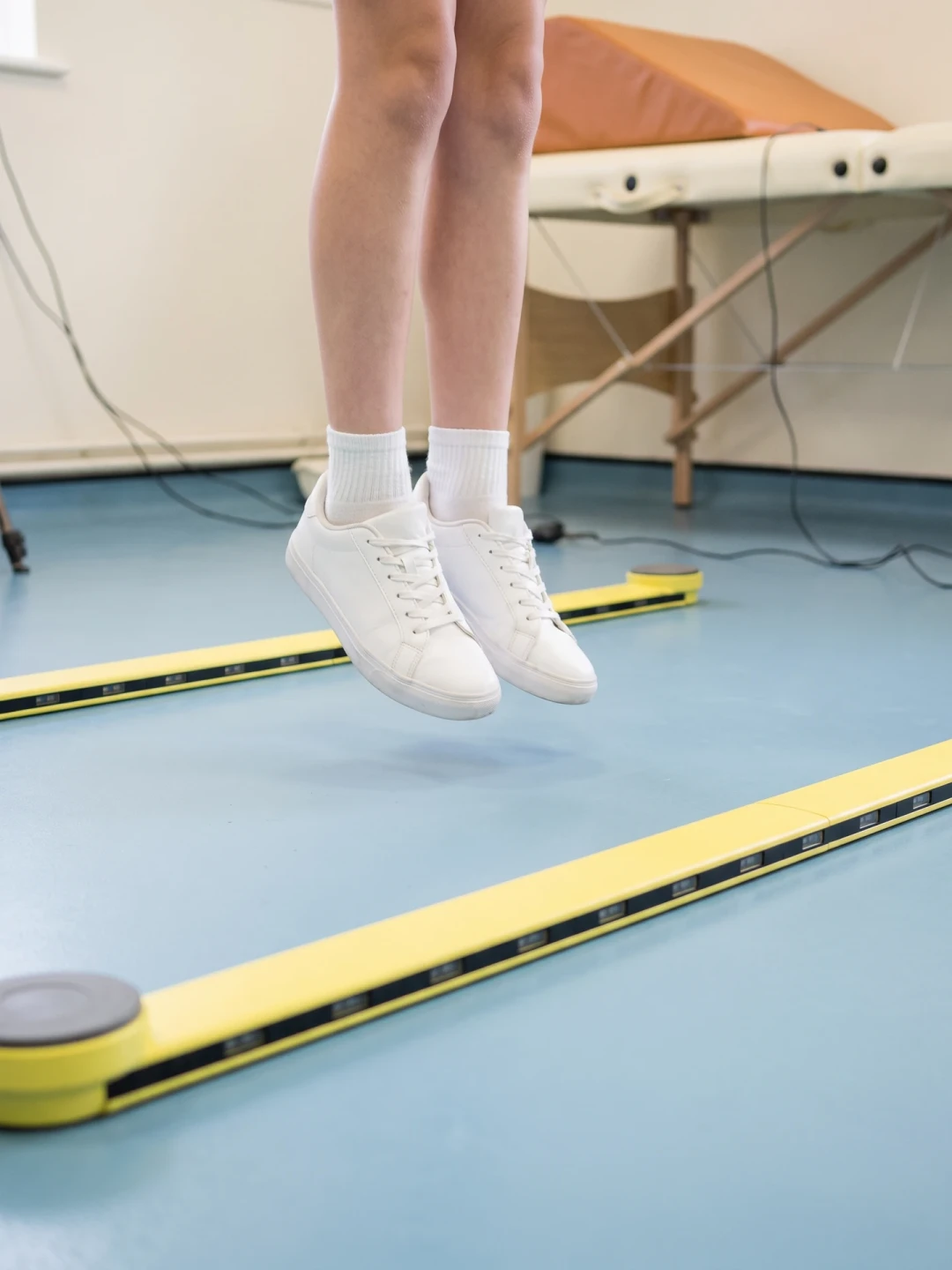
A child’s feet in white trainers in mid-air, jumping over two yellow measuring bars laid on the floor of the testing room.

Progress shows up in numbers

Retest every three months

After three months we repeat the same tests, under the same conditions and on the same devices.

You see exactly how much has changed, and the programme is adjusted to what the numbers show.

When parents usually come to us

None of these signs on its own means that something is wrong. It means it is a good moment to measure, so that nobody has to guess.

A sudden growth spurt

After a sudden gain in height, coordination, jumping and posture often change. Measurement shows exactly what has changed.

Progress has stalled

When a child trains just as much but the results do not follow, measurement shows whether the limit lies in strength, in explosiveness or in a load that is too high.

Pain after training

Knee, heel or back pain is common in a growing child and always calls for a visit to the doctor first. After that, measurement shows how the training load should be dosed.

Coming back from injury

The return is gradual and guided by the measurements, with the aim of keeping the same injury from happening again.

First appointmentTesting

It lasts 60 minutes and uses five measuring devices. None of the measurements is invasive, and the only part that takes effort is a series of jumps.

Same dayReport and discussion

We go through the results with you and explain what each number means for a child who plays that sport.

After the reportIndividual programme

The plan is built on the measurements and on how many times a week the child already trains at the club.

Every three monthsRetest

Same tests, same conditions. Progress shows in the numbers, and the programme is adjusted to what the measurements show.

What clients write on Google

4.9
26 ratings on GoogleAll reviews on Google

Very professional and dedicated staff!

Marija BasaraGoogle review

What parents ask most often

From what age do you work with children

We work with children who already train at a club, most often from the age of ten. Below that age the load is managed differently, and we decide on it after a conversation and the measurements.

Can my child lift weights

Yes, children can lift weights. The load is set by the measured condition and the stage of growth, since age alone does not decide it. For much of the programme the child works with body weight, and external load is added gradually under a coach’s supervision.

My child already trains at a club, do they need another session

Our session does not add more of the same load on top of club training. It covers what club training leaves out, and the plan is built around how many times a week the child already trains.

Does the testing hurt

No. None of the measurements is invasive, your child stays dressed and is in the room with a coach the whole time. The only part that takes effort is a series of jumps.

What exactly the test measures
My child complains of knee pain, should we come for testing

If the pain persists, wakes your child at night or makes them limp, the first step is a doctor. Once the doctor has given their opinion, testing shows how the training load should be dosed and what the child can do.

What is Osgood-Schlatter

It is pain at the bony bump just below the kneecap, during a period of growth, made worse by jumping, landing and sprinting. The centre does not treat it, and once a doctor has assessed it we manage the training load with the aim of letting the child keep training with fewer symptoms.

It starts with measurement

The first step is the same for every child. After one appointment you know the starting point, what is holding your child back and what the plan looks like for the next three months.